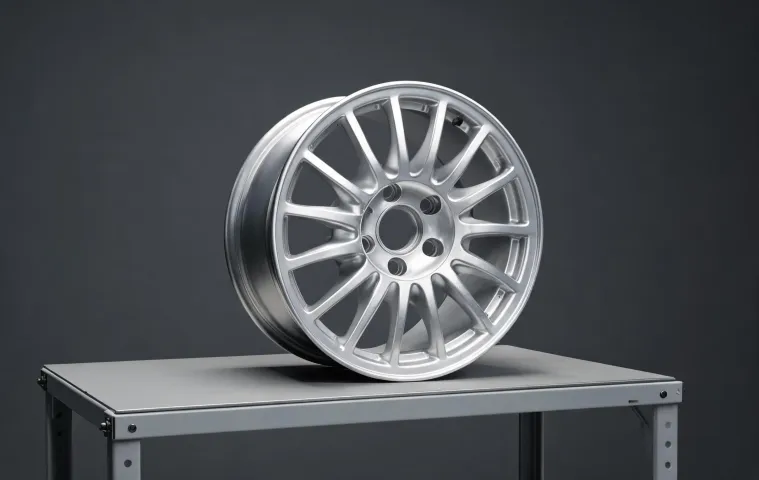
Forged & Cast Alloy Wheels
For a new platform, compare the same rim diameter, rim width and load rating across construction routes. Ask for a drawing of the mounting face and spoke profile before requesting a trial fit.
Open the wheel catalog
Send a fitment brief for forged or cast alloy wheels. Our independent procurement desk coordinates supplier comparisons, samples and inspection against the dimensions you need.
Send your spec Browse catalogFor a new platform, compare the same rim diameter, rim width and load rating across construction routes. Ask for a drawing of the mounting face and spoke profile before requesting a trial fit.
Open the wheel catalogCompare material and temper records, then review sample machining and tooling costs against the target order.
Confirm whether a stock casting covers the required offset and brake clearance. Review the load report for the offered variant.
Ask how the rim barrel was formed and which spoke and hub design the report covers. Compare the same finish and packaging assumptions.
| Field | What to send |
|---|---|
| Pitch circle diameter (PCD) | Bolt count and circle diameter, for example 5×114.3 mm. |
| Wheel offset (ET) | Signed offset in millimeters, such as ET35, along with rim width. |
| Center bore | Hub pilot diameter and clearance around the hub and fasteners. |
| Field | What to send |
|---|---|
| Load rating | Required per-wheel load in kg and the buyer-approved application assumptions. |
| Surface finish | Color reference, gloss or texture, and any coating restrictions on mating surfaces. |
| Sample measurements | Radial runout and lateral runout limits, along with the drawing datums used for the check. |
Record the vehicle, axle and brake package. Flag missing interfaces and label buyer drawings with their revision before circulating the RFQ.
Bring sample charges, tooling, quantities, finish and the named Incoterm onto the same sheet. Ask for an update if a supplier quotes a different drawing revision.
Match the sample identifier and inspection scope to the order. Reconcile carton counts and SKU labels with the packing list before the carrier handoff.
Group finishes and fitments by SKU.
Separate wheel loads by axle and duty.
Capture OE numbers and sensor interfaces.
Trace reports to the offered size and revision.
Match center bore, fastener seat, offset and load first. Spoke geometry can still interfere with the brake caliper, so confirm the clearance envelope on the intended vehicle.
Quote both against the same fitment and load target when mass and cost both matter. Forging can suit a mass-sensitive design, while an existing cast design may avoid new tooling. Compare the actual drawing, test scope and commercial terms for each offer.
Stock can simplify replenishment when finish and fitment already match. Custom programs let you specify those attributes and may add tooling, sample approval and a supplier-specific minimum order.
Check the legal entity, site, activity and validity dates. Ask separately for model-level test or approval records that cover the target market and the proposed wheel.
Include your target market, order quantity and destination port so quotes can be compared on the same basis.
Prepare a wheel RFQ